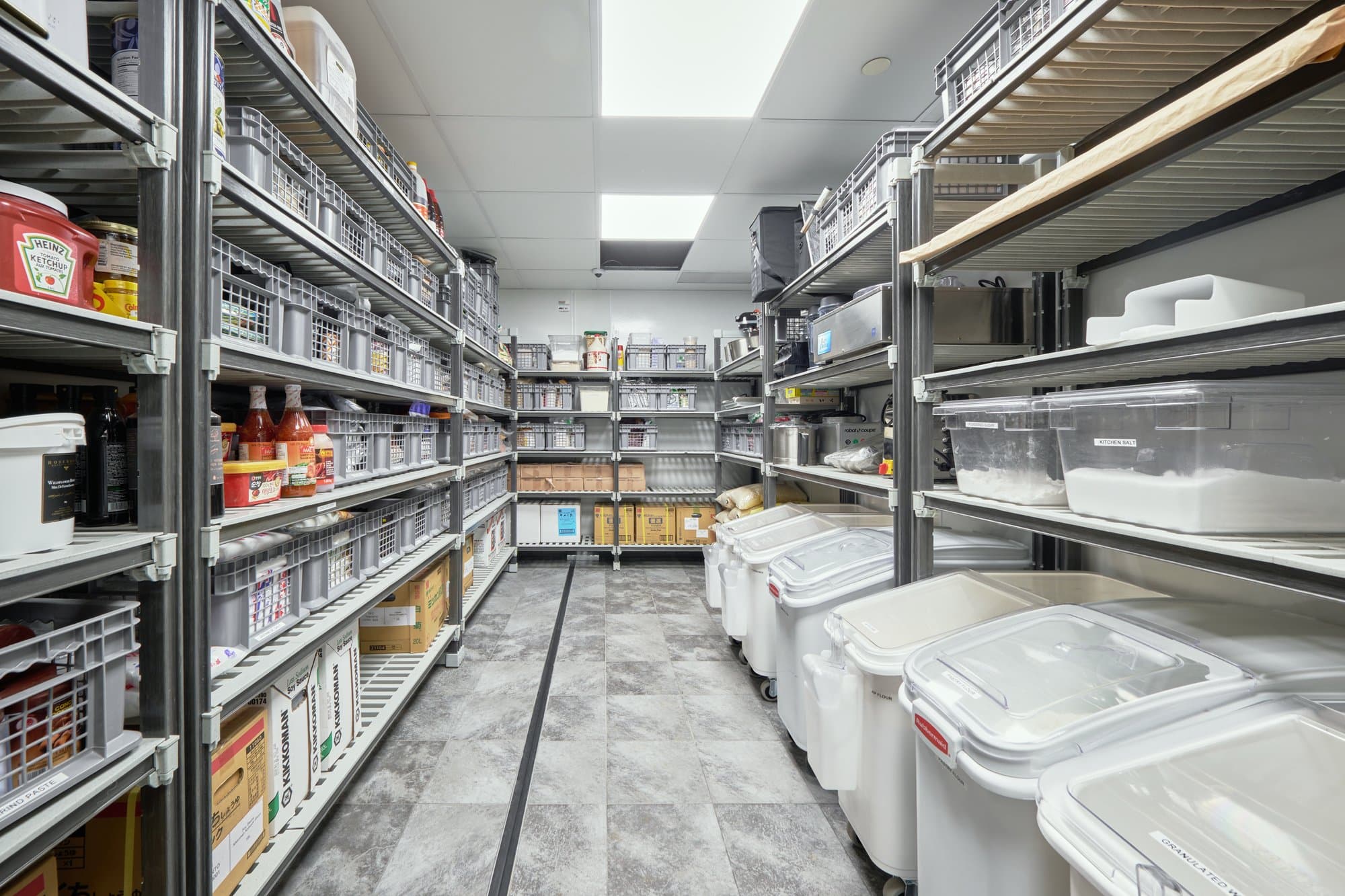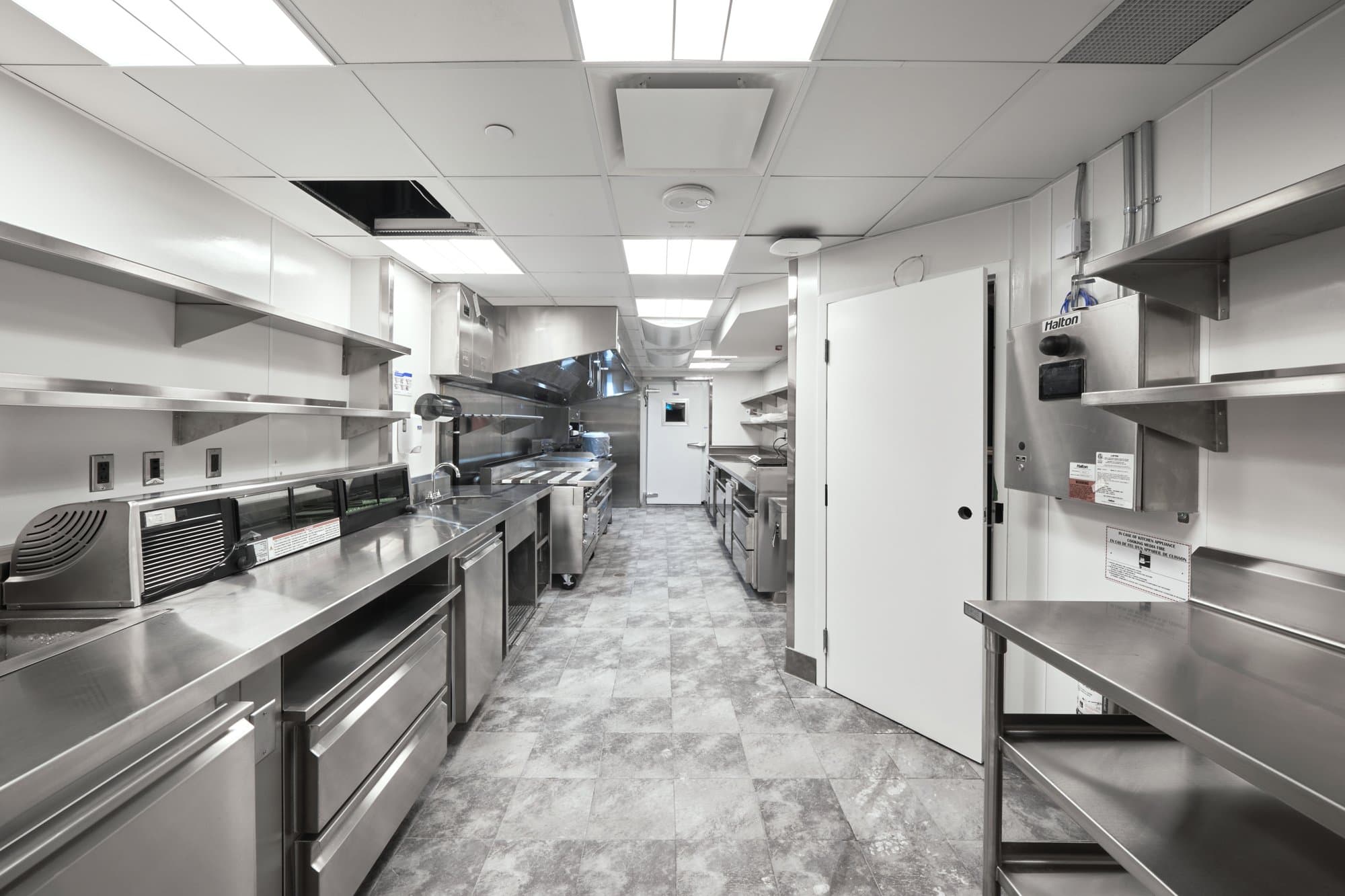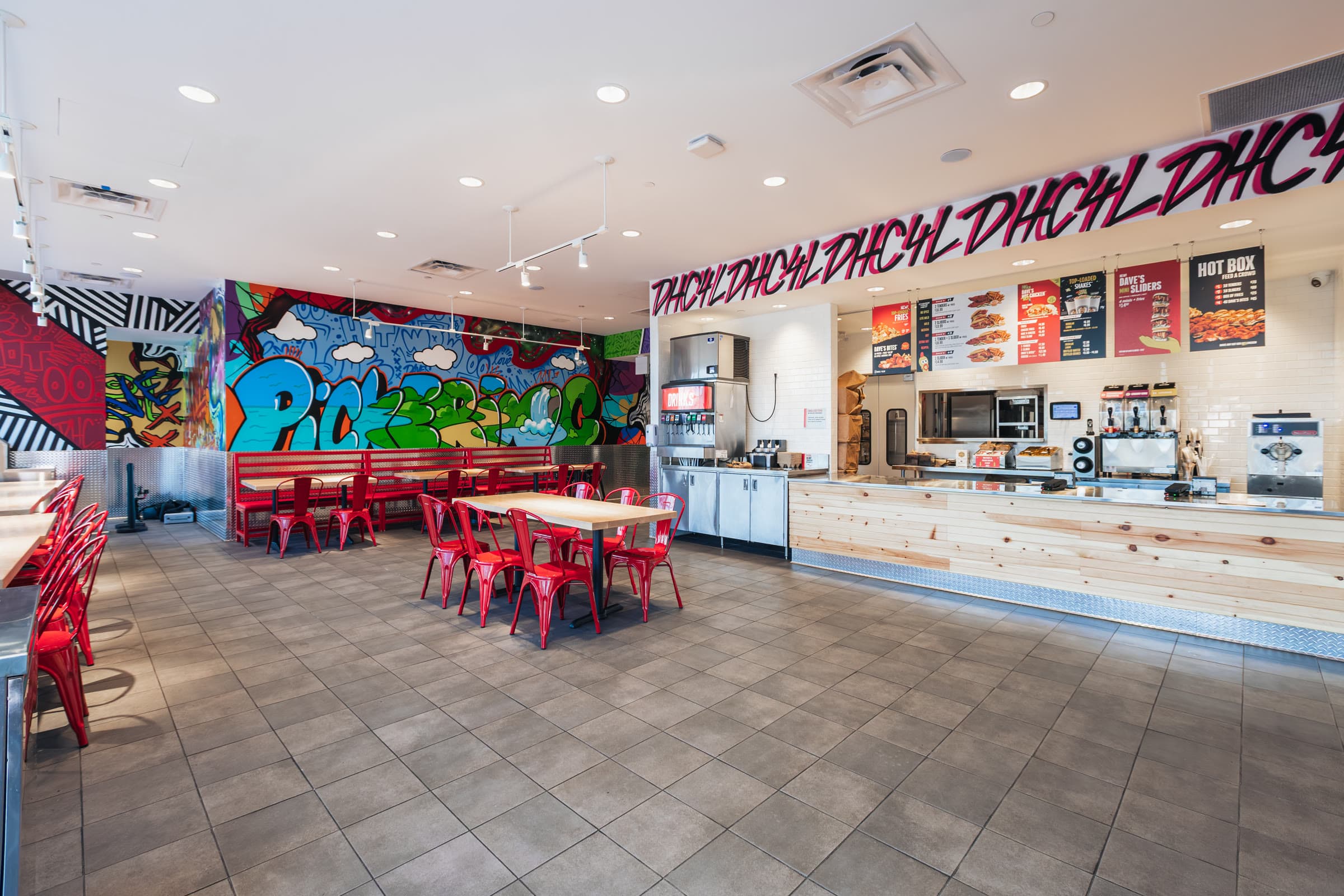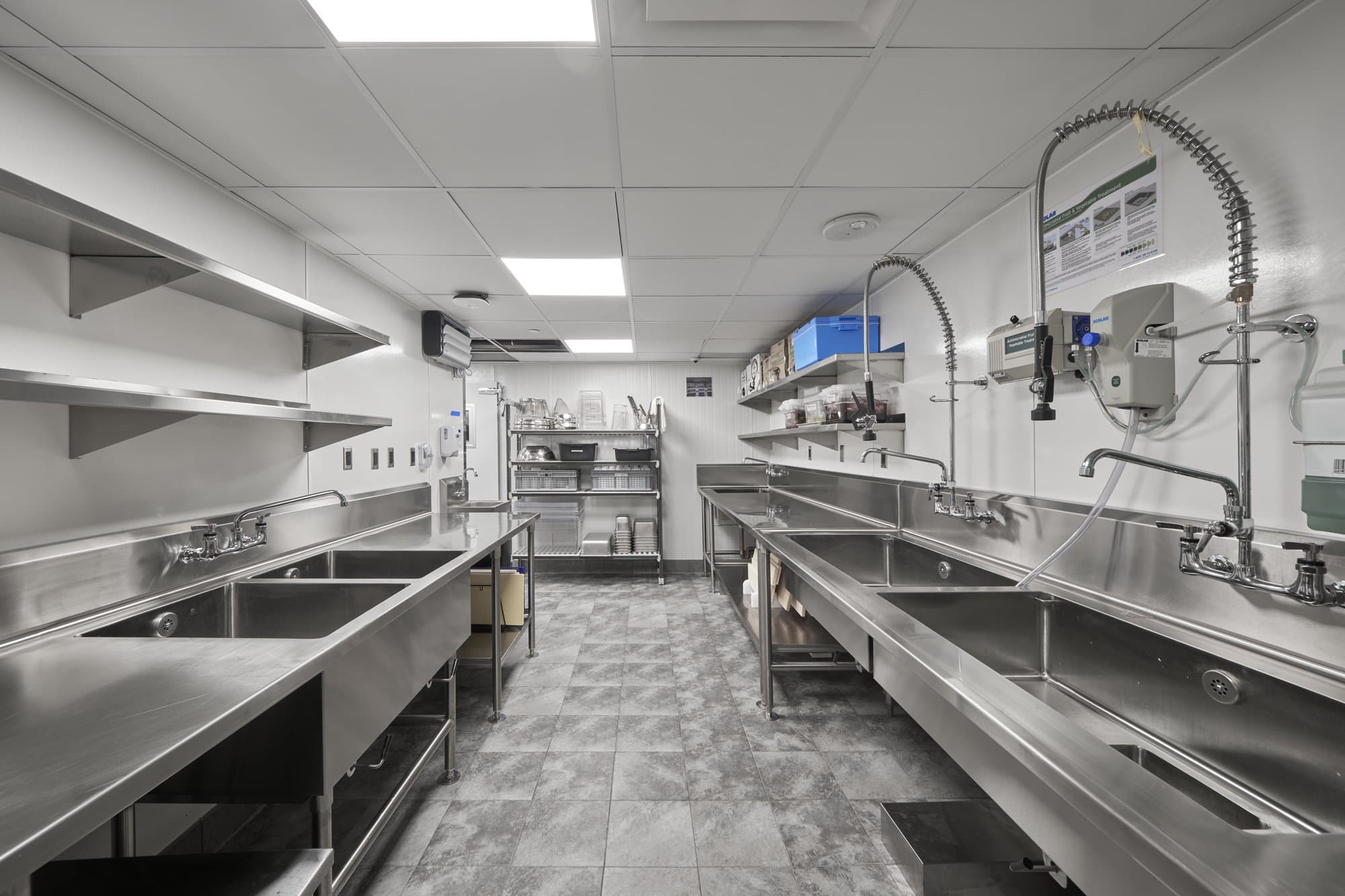

Chain work is unforgiving. There are more eyes on the project, tighter deadlines, established standards, and very little patience for avoidable misses.
The Olive Garden project shows the operational side of The Cesario Group system: internal coordination between project management, equipment supply, delivery planning, installation support, contractor communication, and brand expectations.
For enterprise operators, the value is not simply finding equipment. It is having a team that understands the pressure of a fixed opening date and can keep the moving parts from becoming separate fights.
Chain projects punish loose coordination.
With an enterprise operator, there are more eyes on the work, tighter deadlines, and established standards. Small misses can travel quickly through the project.
Equipment decisions had to stay connected to the site.
The Cesario Group's value was the ability to keep equipment, delivery planning, install support, and contractor communication tied together.
Enterprise buyers need reliability, not drama.
Olive Garden shows the operational side of The Cesario Group system: a project partner that can work inside brand expectations and keep the answer moving.
When the opening date is already on the calendar, the process has to be sharper than the promise.
What they needed
Enterprise chain work is unforgiving: there are brand standards, fixed timelines, established stakeholders, and little patience for vendor ambiguity.
What we did
The Cesario Group supported the equipment and project coordination path so ordering, delivery, install support, and contractor communication could stay disciplined.
What it became
The project proves The Cesario Group can operate inside an enterprise process where the opening date is real and the standard is already defined.