What they needed
Wendy’s needed a kitchen standard that franchise teams could repeat across hundreds of Canadian locations.
Wendy’s needed the same kitchen standard to work across hundreds of Canadian locations, with equipment and service decisions operators could repeat.
Wendy’s needed a kitchen standard that franchise teams could repeat across hundreds of Canadian locations.
A chain needs to move fast and build each store the same. Without that, every new spot turns into a fresh fight with new suppliers, and the brand starts to look different from town to town.
Since the Trimen days, we've given simple answers, kept the work on track, and held the chain's standards even when an opening was close.
The Wendy's relationship covers repeatable standards, fast answers, dependable equipment, and support across openings.
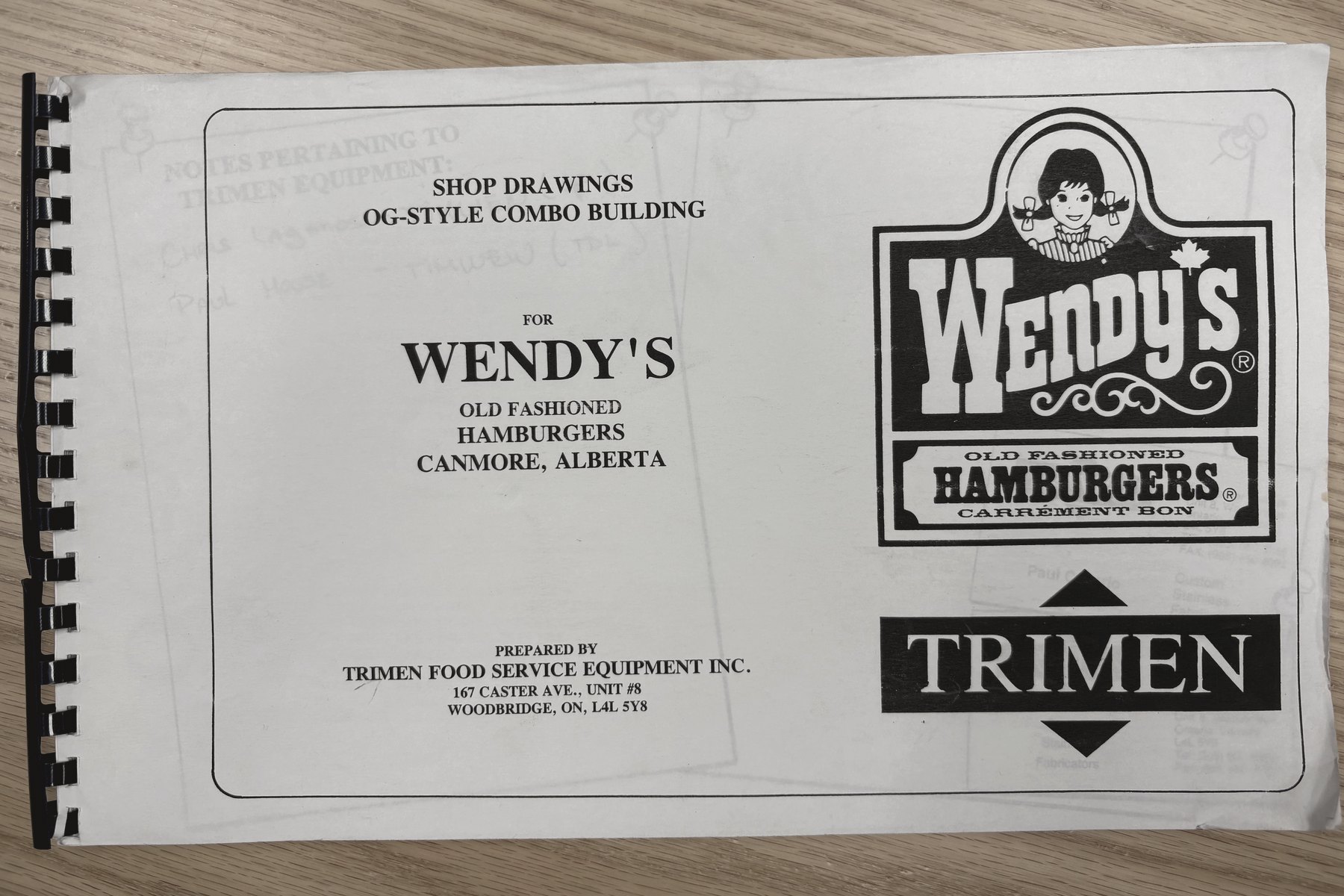
Wendy's was the first account, going back to the Trimen days. The 1995 spec book was drawn by hand, before PDFs, and the group is the chain's national supplier today.
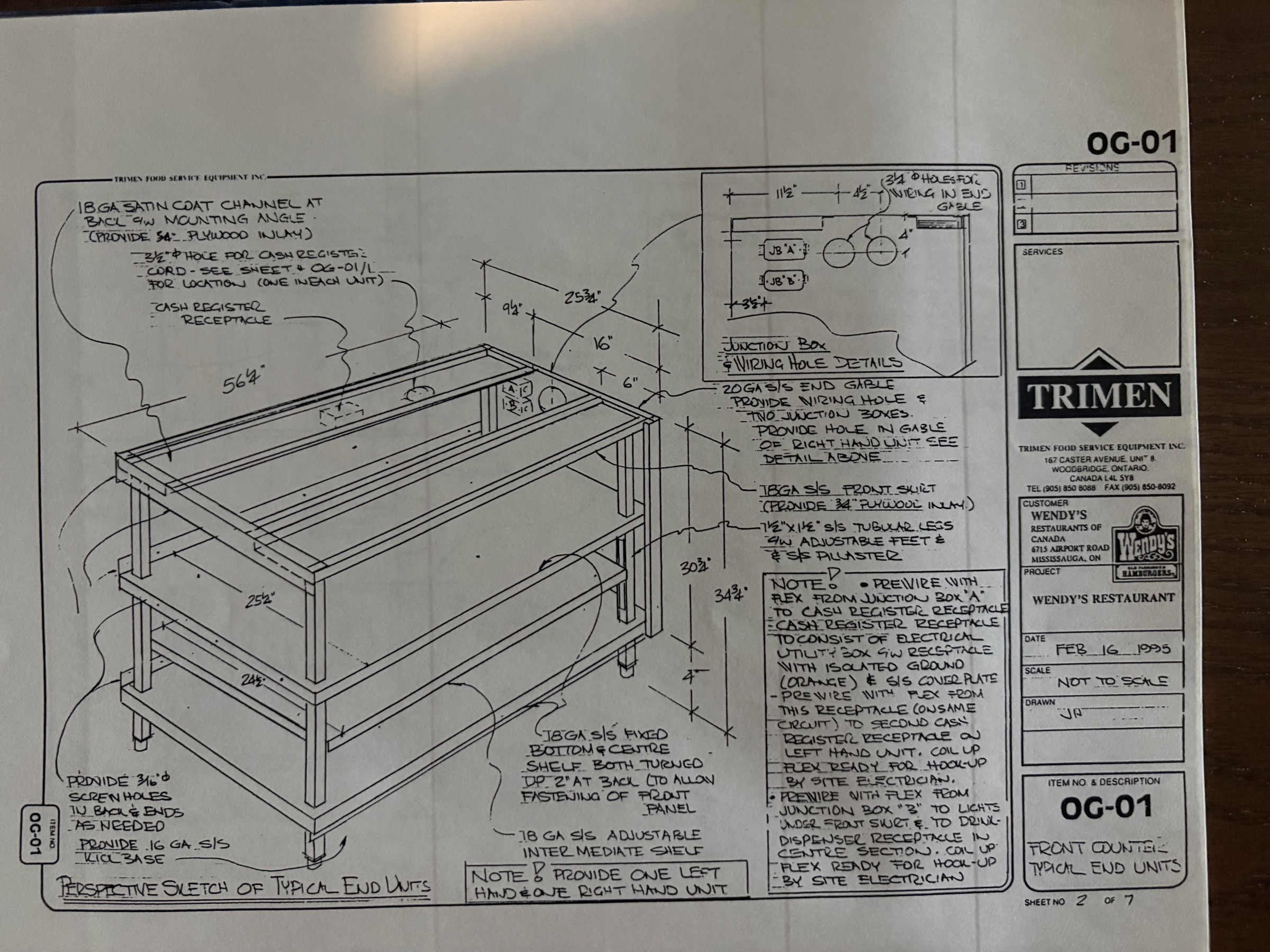
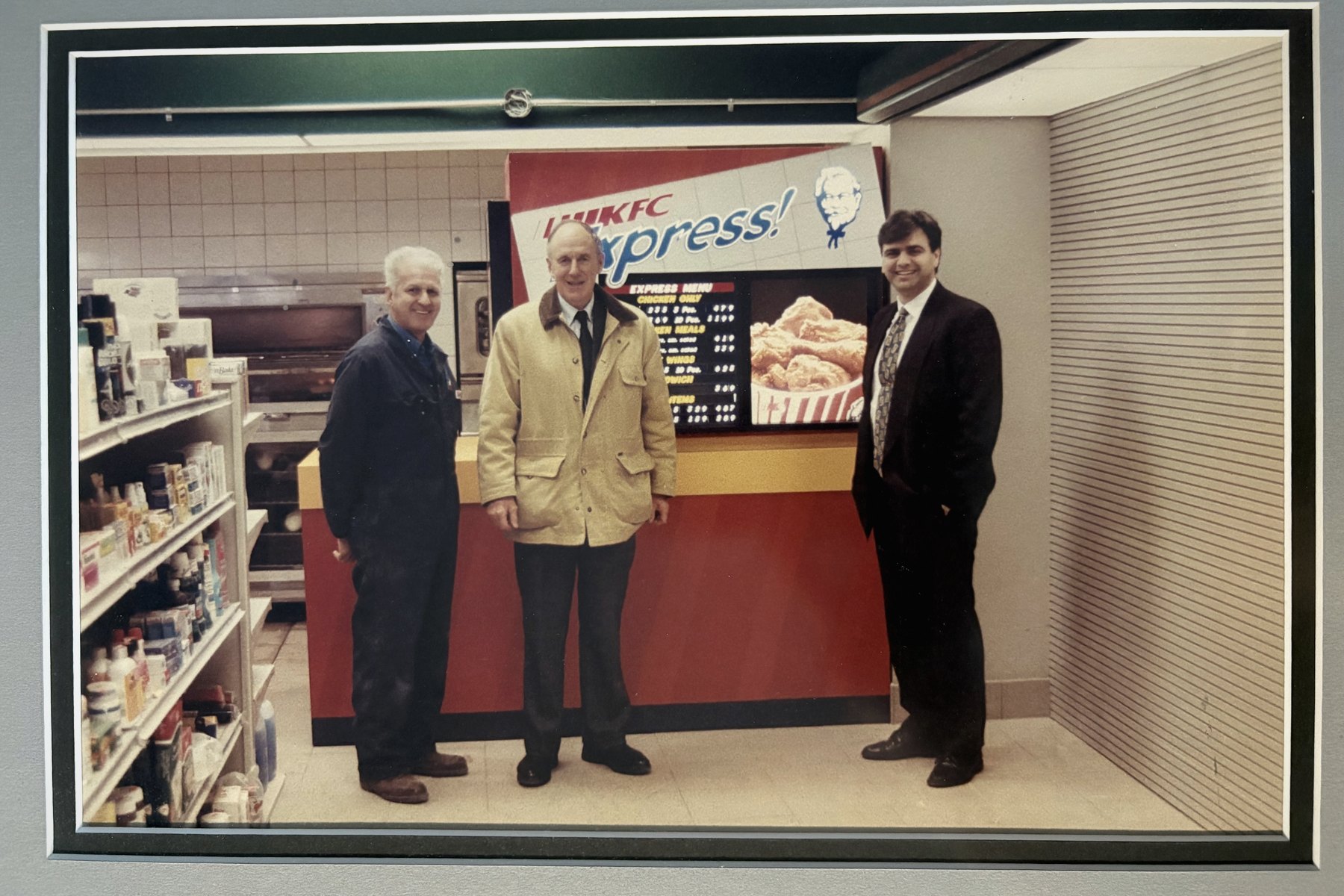
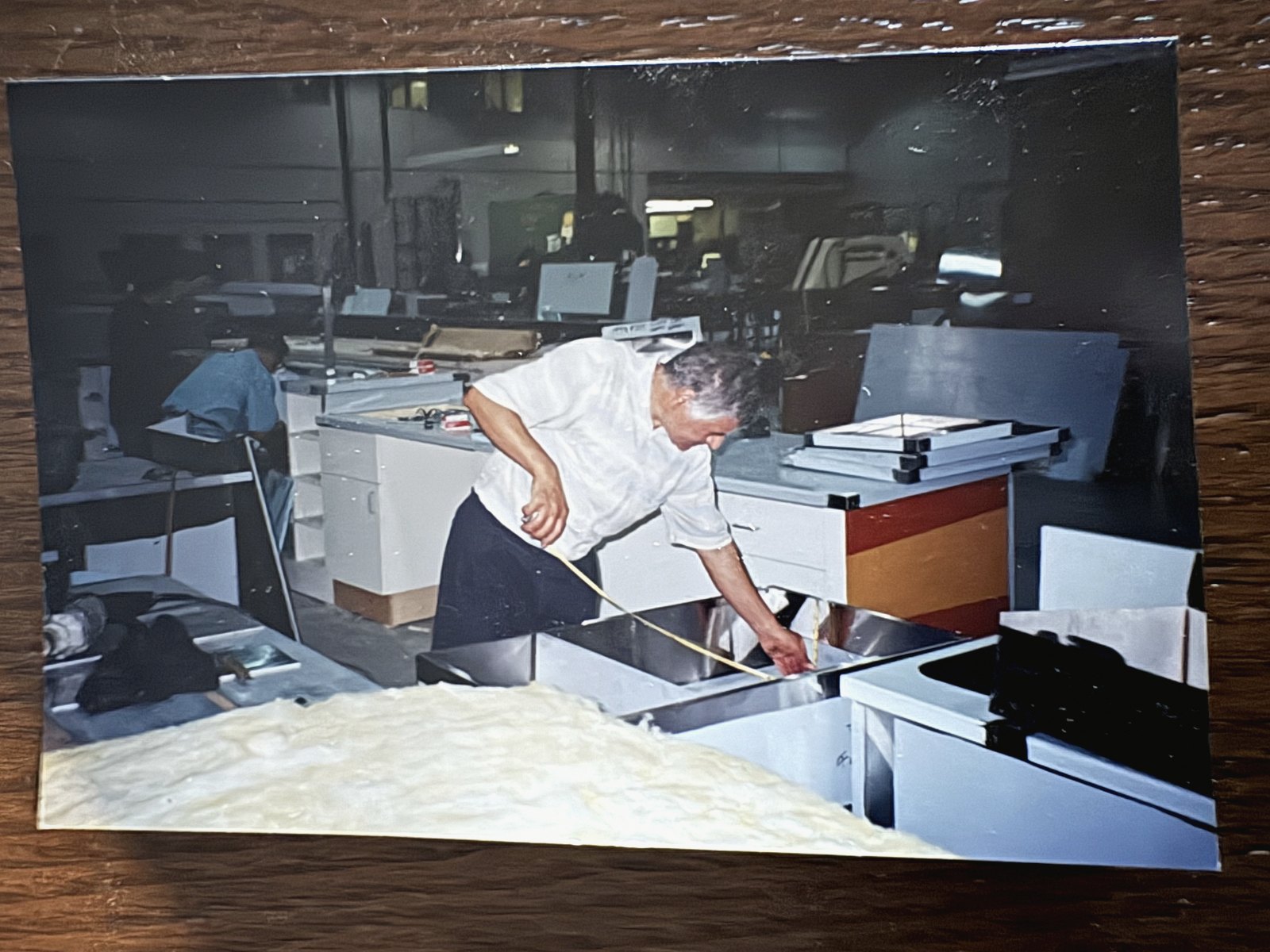
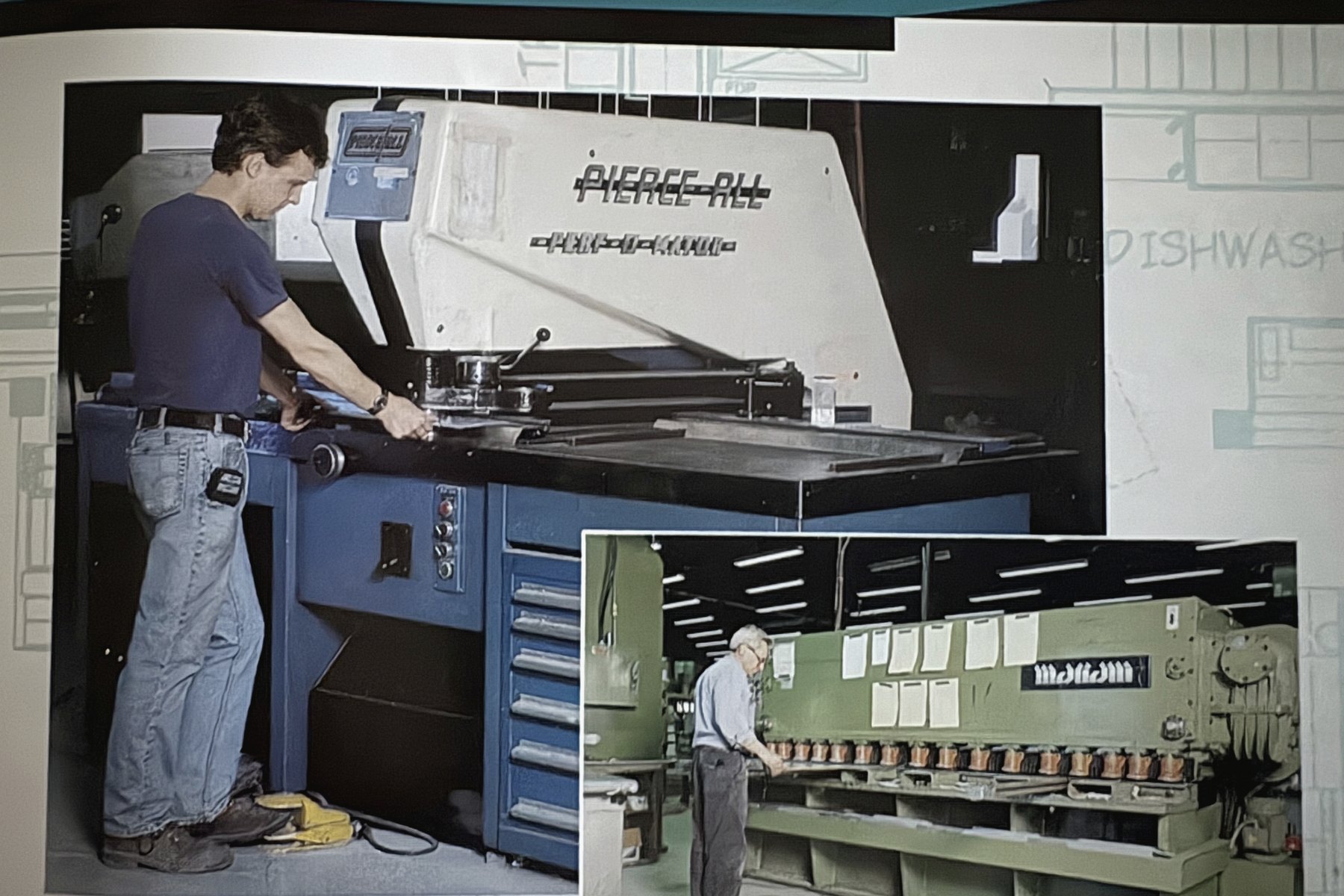
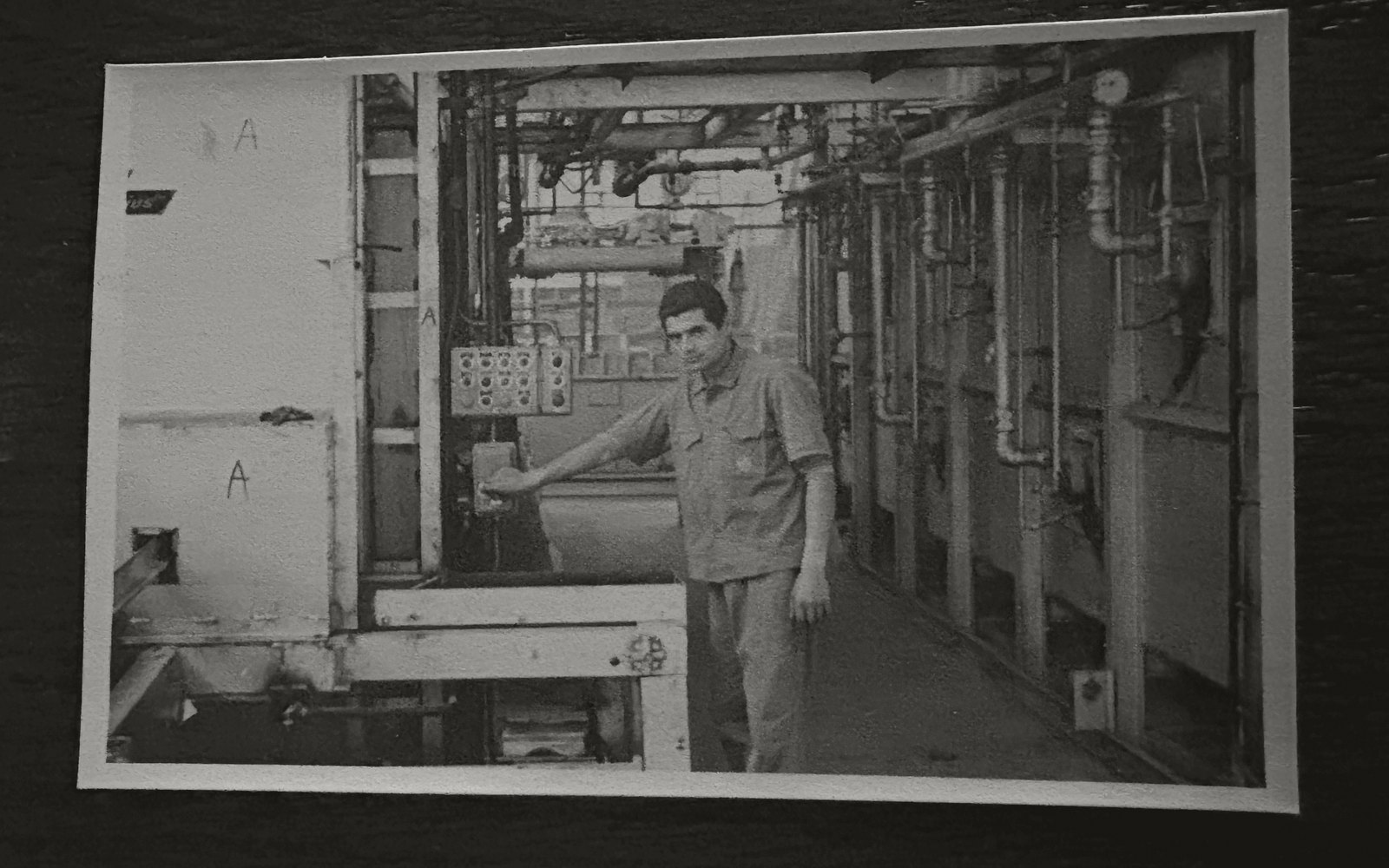
A chain can't sort out the same gear and the same problems over and over at every store. The plan has to be clear enough to copy. And the team building it has to remember why each rule is there.
We know the Wendy's standards, opening dates, and equipment history, so owners get useful answers without restarting the conversation.
The gear is worth more when we stick around to fix it, keep it running, and help plan the next store.
One standard, location after location.
A roughly 400-store rollout built the same way every time, from the first Wendy's in South America to the next opening on the calendar.
We carried the spec from store to store, answered fast when an opening was close, and kept the build identical whoever was holding the drawings.
A supplier who has stayed on the account for decades and still plans, equips, and services each new store.
These are the pieces we kept together across the whole rollout, so every store got the same answer and the same standard.